“History teaches us that men and nations only behave wisely once they have exhausted all other alternatives.
Abba Eban
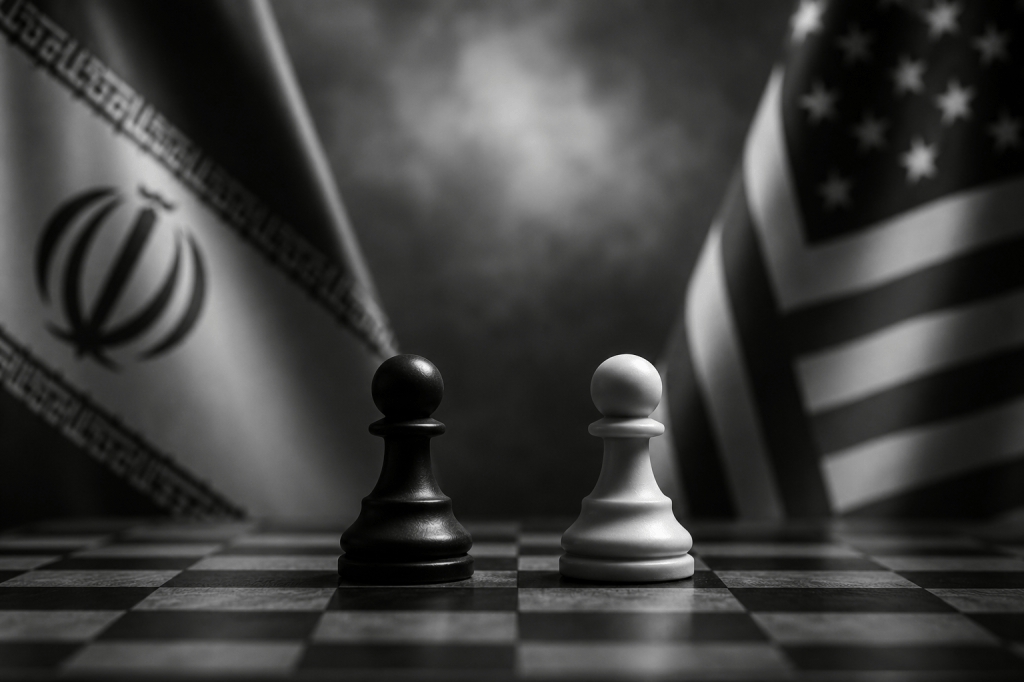
This statement by Abba Eban, former Deputy Prime Minister of Israel aptly describes the June 2026, Memorandum of Understanding signed between USA and the Islamic Republic of Iran.
On February 28, 2026, Washington and Tel Aviv conducted joint strikes on Iranian territory and assets. Operation ‘Epic Fury’, as named by the United Sates, claimed hundreds of lives across Iran, including that of the Supreme Leader Ayatollah Ali Khameini. Thousands more were displaced, infrastructure was decimated, military, oil and other strategic facilities attacked, and commercial shipping faced heightened vulnerabilities. The Strait of Hormuz turned into a battlefield, with counter strikes on ships by Iran and the US.
The war dragged on for 3 months, with no end in sight. Countries in the region like UAE, Oman, Qatar, Lebanon, faced severe collateral damage and the risk of being fully embroiled into the conflict. All attempts at a Pakistan-mediated ceasefire were thwarted by Israel for its personal gains. A breakthrough was finally achieved on 14th June, when a Memorandum of Understanding was signed between USA and Iran at Versailles, which was ironically the same location where the infamous Treaty of Versailles was signed post World War I. The 14-point document was signed by the two countries, with Islamabad playing the role of mediator.
A brief examination of the document highlights the following points of the Memorandum. There is a consensus on respecting each other’s sovereignty and territorial integrity and abstaining from initiating an attack, aggression or hostile activity. Furthermore, there will be resumption of commercial naval activity through the opening of the Strait of Hormuz and lifting of the naval blockade by USA. Washington has pledged USD 300 billion, in collaboration with its regional partners, for the reconstruction and economic development of Iran. It has also committed to terminating all types of sanctions against the Islamic Republic, including those by IAEA and the UN Security Council resolutions.
On nuclear weapons and enrichment- the root of the hostility- Iran has reaffirmed its pledge against development and procurement of nuclear weapons. Both countries have agreed to work towards resolving the issue of nuclear stockpile and Iran’s genuine nuclear needs for its power sector. Pending the conclusion of an agreement, status quo shall be maintained regarding the nuclear stocks and sanctions.
Critics could not help but compare the MoU with the Obama era Joint Comprehensive Plan of Action (JCPOA), which Trump backed out of. As opposed to the current maintenance of status quo, JCPOA had capped Iran’s uranium enrichment at 3.67% purity and limited the stockpile to 300kg. Beyond this, Iran had also agreed to reduce the number of operational centrifuges and restricted the enrichment to the Natanz facility. It had granted the IAEA enhanced inspection powers over its nuclear facilities and stockpiles. The future of the MoU is dependent on sustained negotiations whereas the JCPOA was endorsed by the UN Security Council resolution and was meant to be a long-term agreement (covering 10-25 years), as opposed to the MoU (covering 60 days).
The USA went into Iran, all guns blazing, hoping to fulfill all its goals without facing any real retaliation. The ambitious aims articulated at the start of the war included ending Iran’s nuclear and missile program, change in leadership and improved regional stability. When Washington realized that the war was not following the trajectory it had predicted and it was being subject to severe backlash from allies, both within and outside the country, it adopted the route of negotiations. When the option of War was exhausted, USA chose to act ‘wisely’ and negotiate. But for now, there’s no telling on how long this wisdom lasts and what the future of the MoU will be.
JULY 08, 2026


Leave a Reply